The Ryan Homestead in Meade County, SD


Deadwood-Bismarck Road Marker. Major route in 1909 for overland traffic. This marker is near the crossing over the Belle Fourche river, which was a few miles from the Ryan homesteads. Click to enlarge.

Our starting point was a bar in Nisland, South Dakota. From here we made our way to Empire, while shown on maps, is no longer a town. It was a stage coach stop in the early years. Click to enlarge.

This bar is moving to a location closer to the highway. This was our "great fortune" as the beers were only one dollar. Barb, Tim, Laurel and Elizabeth. Click to enlarge.

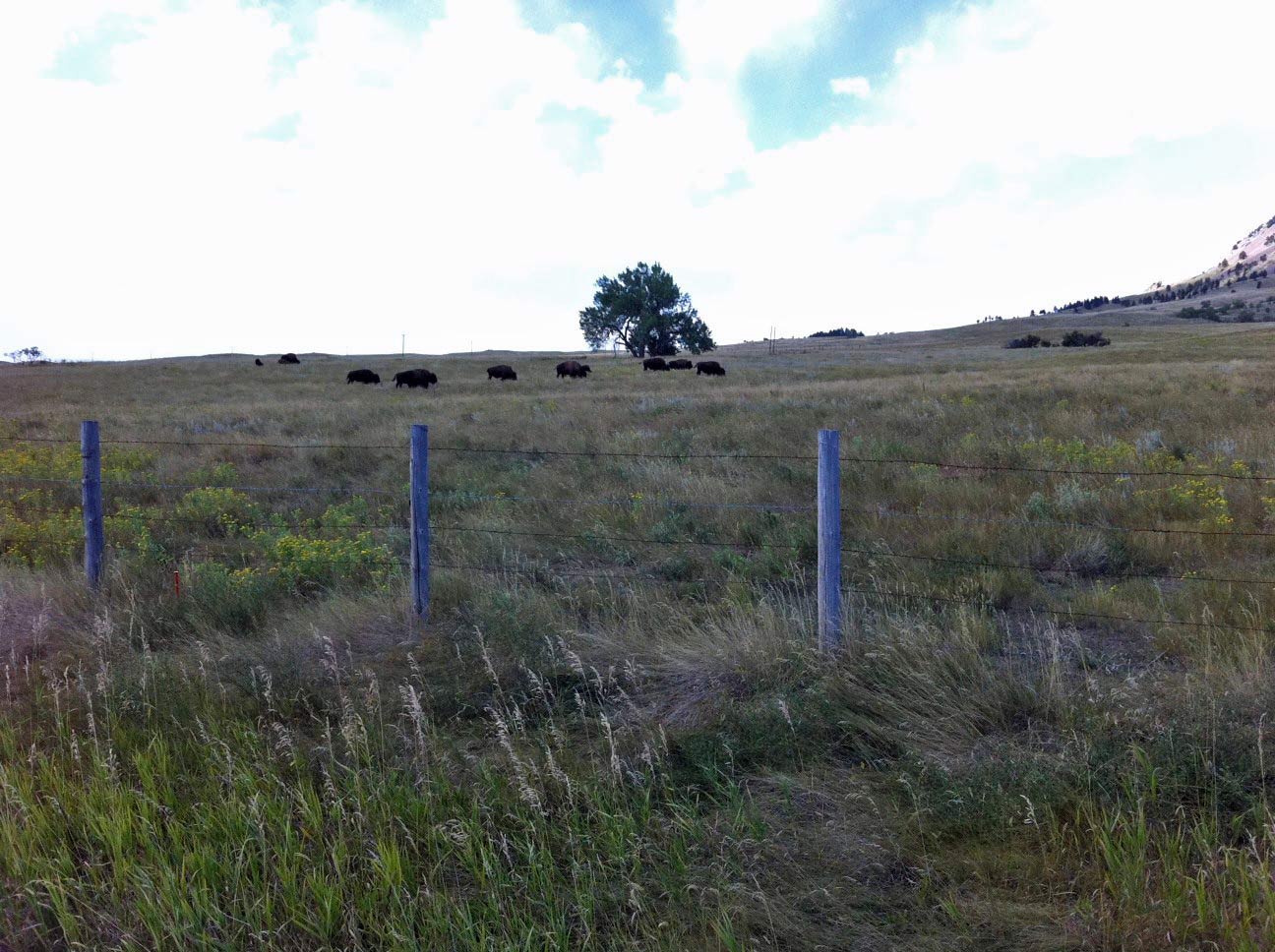
Less than a mile from the Ryan homesteads. It was a site used in the movie "Dancing with Wolves". The scene -the Indian tribes cross a river before reaching the Black Hills. Bear Butte in the distance. In the early 1900s, books like Trail of the Lonesome Pine, The Virginian, and Call of the Wild glorified western adventure and the independence achieved by living the simple life out on the prairie. Click to enlarge.

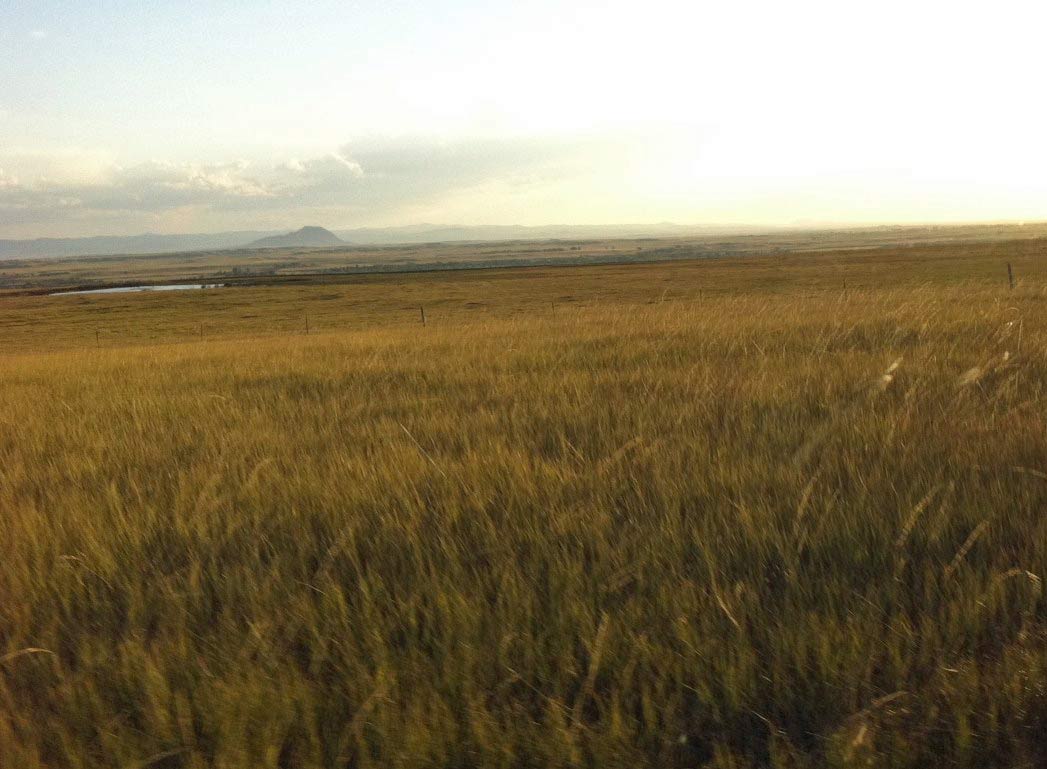
Closer view of Bear Butte (use your imagination to "see" a sleeping bear. Bear Butte is an extinct volcano located outside Sturgis. This volcano can be seen even on the Ryan homestead. This is a site the Sioux Indians consider to be sacred, and even today, those who practice the old religion will climb midway on the mountain and leave some type of offering. Click to enlarge.

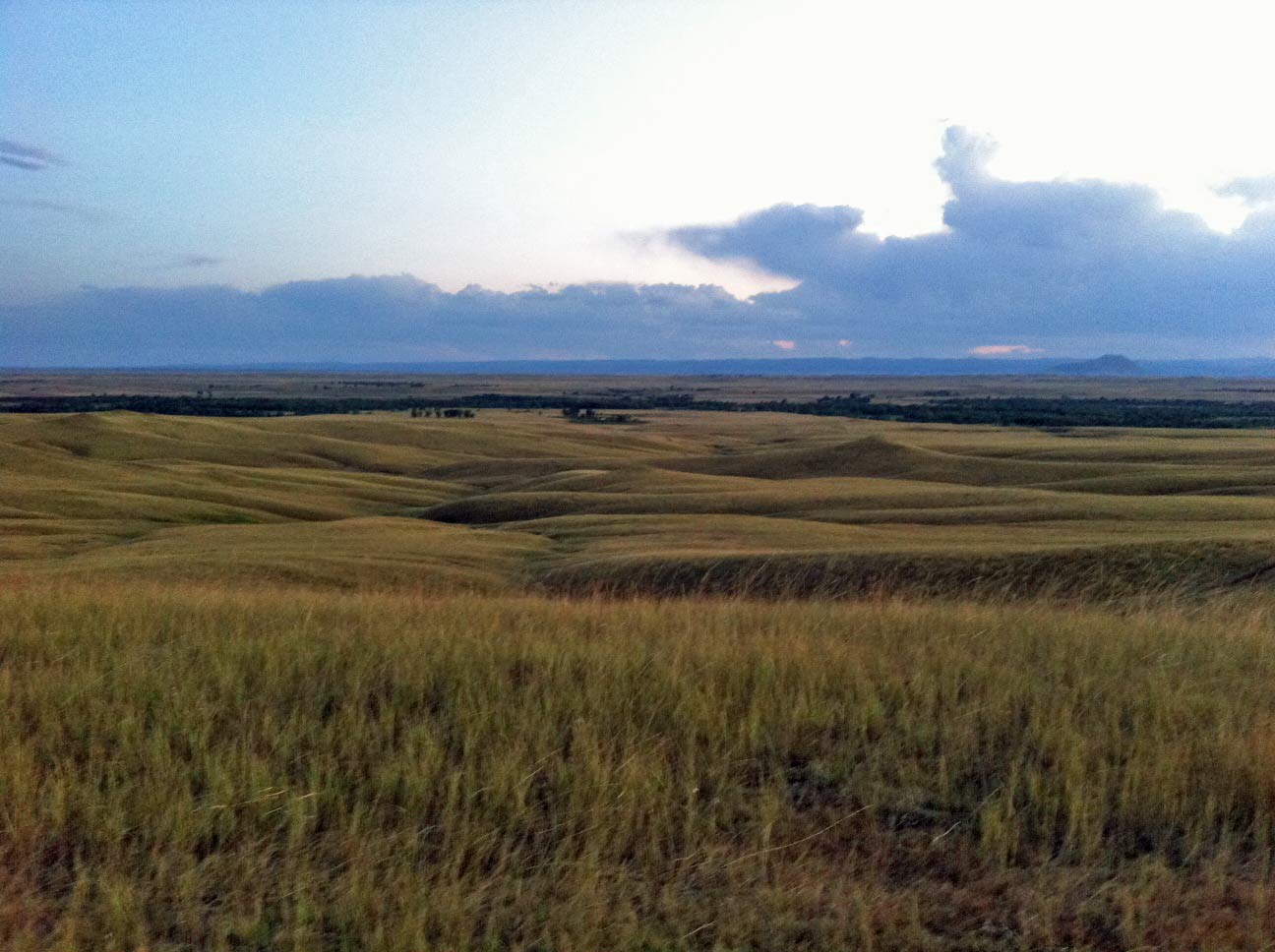
At this point, we are on Frank Ryan's homestead. In our view is Katie Ryan's homestead, whom we believe may be a grand daughter of Mary Ryan (b. 1881). Katie was living with her parents in Fort Dodge, Iowa. A single woman was allowed to homestead - married women could not. Therefore, this eliminates John B Ryan's future wife, Katie, as owner of this land. Bear Butte in the distance. Click to enlarge.

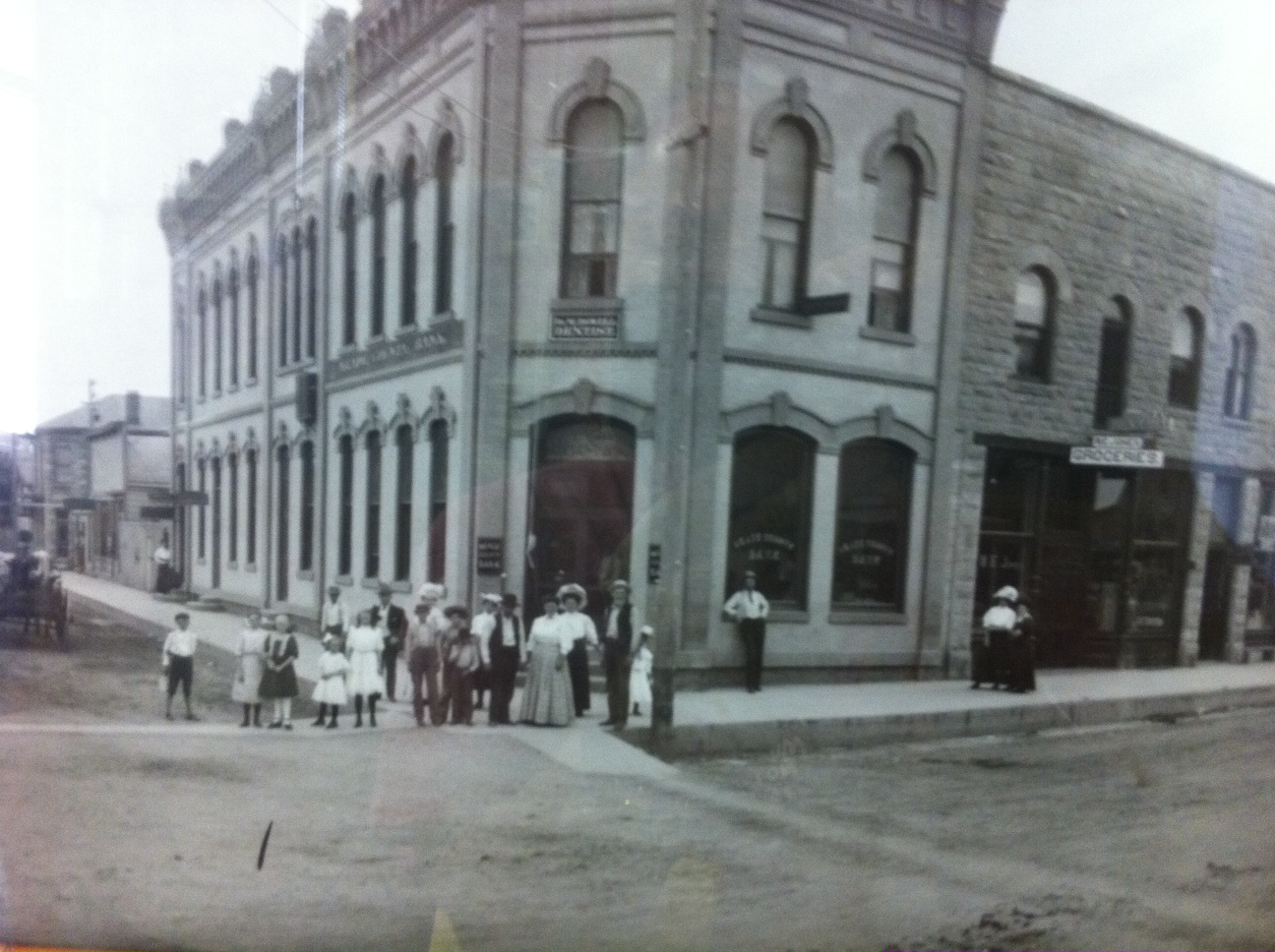
Sturgis 1909. Click to Enlarge

Another view of downtown Sturgis, 1909. Click to enlarge.
Making a claim was straightforward. You went to the Bureau of Land Management office, paid $22 for 160 acres, and sometimes paid someone $25 to show you where your surveyor stakes were located. While this helped you find your land the "first time", there was always a fear that you may not find it again, as there were generally no distinguishing landmarks (trees, rocks, etc.). The land was a sea of grass and hardened clay.
There were a few rules that had to be followed: The homesteader needed to show improvements to the land (in Frank & Leo's case, they dug an earthen dugout to collect water for cattle. In some cases, they were asked to build a fence. They also needed to construct a "house" on their land, and a minimum amount of lumber (usually an amount that could fit on your wagon. Subsequently, the most common structure were wooden shacks using 2X4's and green tar paper as "walls". The fortunate homesteaders may also have had wood floors - many only had dirt floors.
Family members would oftentimes build one structure, which usually sat on the property line. That is probably the case with Leo and Frank's tar paper shack. After 14 months of occupation, the homesteader now owned his
What did the homesteader fear most? Loneliness. It was said that it had been the death of many homesteaders.
Frank held onto his property for some period of time. The story I heard from grandpa Ryan was this: He held onto the property as an investment, and in one trip to Sturgis, he asked someone "how much is land going for around here?" A person nearby heard the question, and said, "You want to buy land? I can sell you land for $0.25 an acre". This upset Frank because the taxes he was paying per acre was almost as much as this gentlemen wanted to sell his land. So, he quit paying taxes on the land, and it was eventually reverted back to the State of South Dakota.
As you read about these early pioneers in western South Dakota, it was not uncommon for the land to be taken over because of back taxes. It was one of the reasons why those who remained in western South Dakota were able to amass such large ranches that covered tens of thousands of acres. They were able to buy land pennies on the dollar at State sponsored tax sales.