Peerage of the Ryan Clan- Hill, Campbell (Camel) and MacDonnel/McDonald


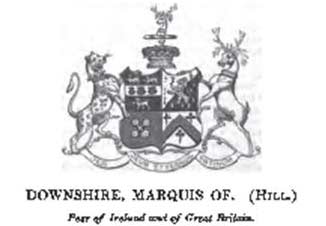
The Hill. There were several Hill lordships, but most connect with this principle lordship. One family line held a small peerage in eastern Ireland, but they claim a different heritage. So we probably are not directly connected with it. However, the above is most likely our link. Click to read more. A second line of Hills, See Harwood

The Campbell. Our Campbell (Camel) line traces itself to the original Duke of Argyll. Because the surname has been altered AND Catholic, we believe that our line came from early Campbells who were mercenary Scottish soldiers. They were granted lands for their services to the original Gaelic lords. Click to read more. The second page associated with this line - Page Two
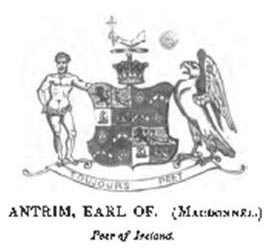
The McDonnell. This was an important lordship in Northern Ireland. This family also eventually assumed a lordship in County Clare, and from here a number of McDonnell groups made their way to County Cork as well as Newport Parish in Tipperary. Click to see lineage.
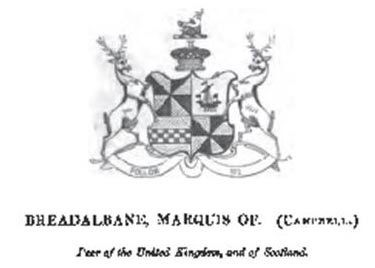
The Campbell. This lordship was created in 1455, and is quite possible that our family links directly to this lordship. It links directly with the Duke of Argyll family line, and was based in northern Ireland. Click to learn more.

The Bloomfield. This family does not link to the Ryans. They have been included because they lived in Newport, Tipperary; and would have been a family our own would have recognized. Click to learn more.
In subsequent British genealogies, several Ryan clans were noted as "Esquire" or "Sir", and most of these had converted to the Protestant religion to save their inheritance.
|
|
|
|
|
|
|


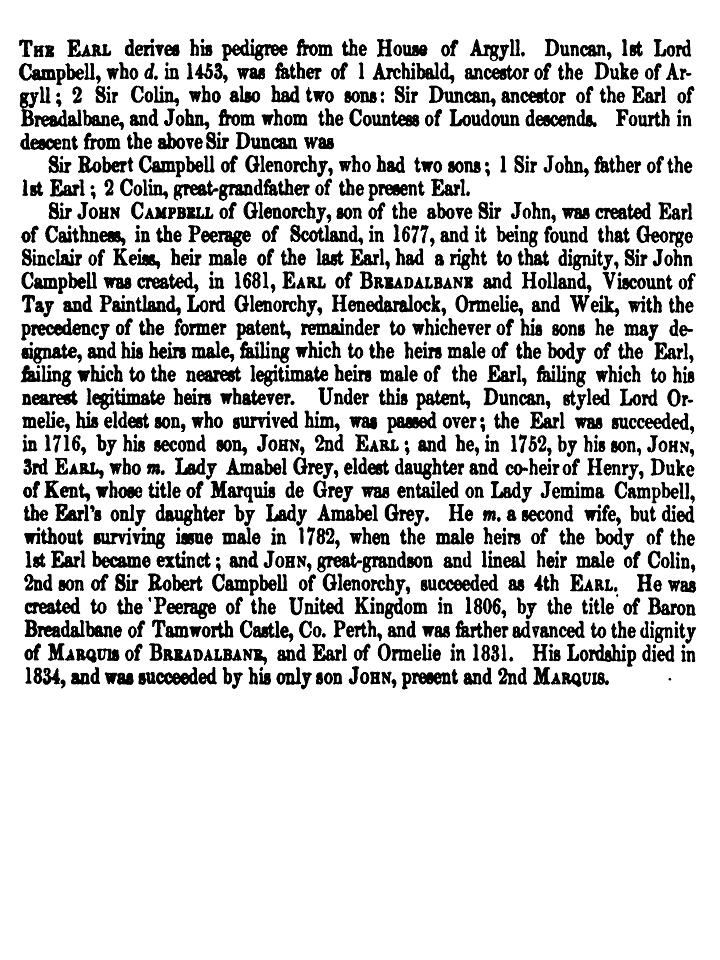


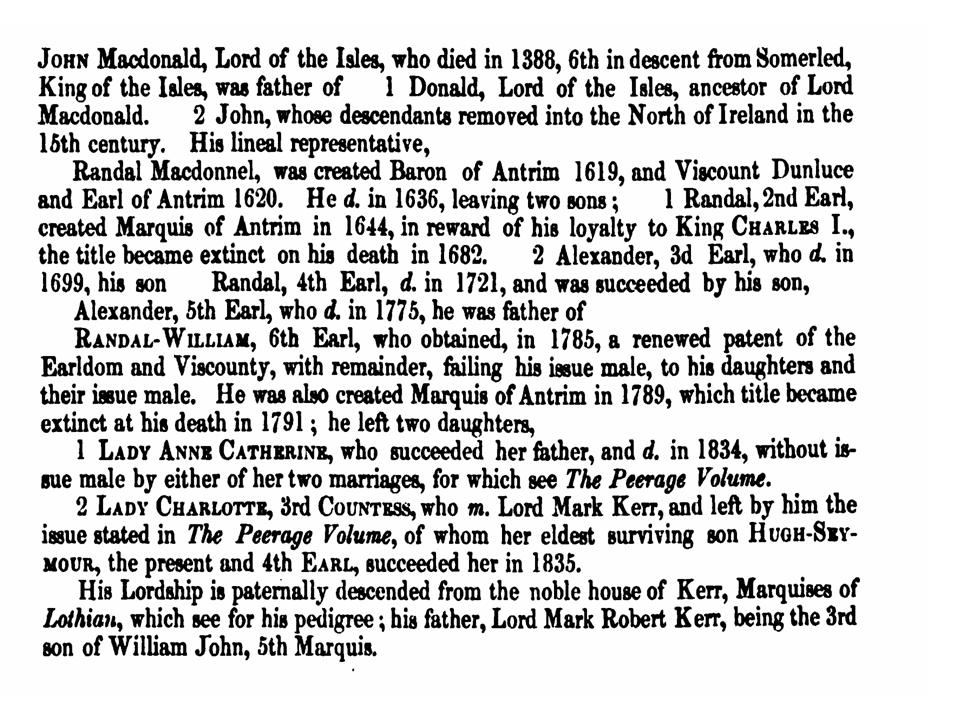
CLICK TO ENLARGE (Same as embedded links noted above)
